
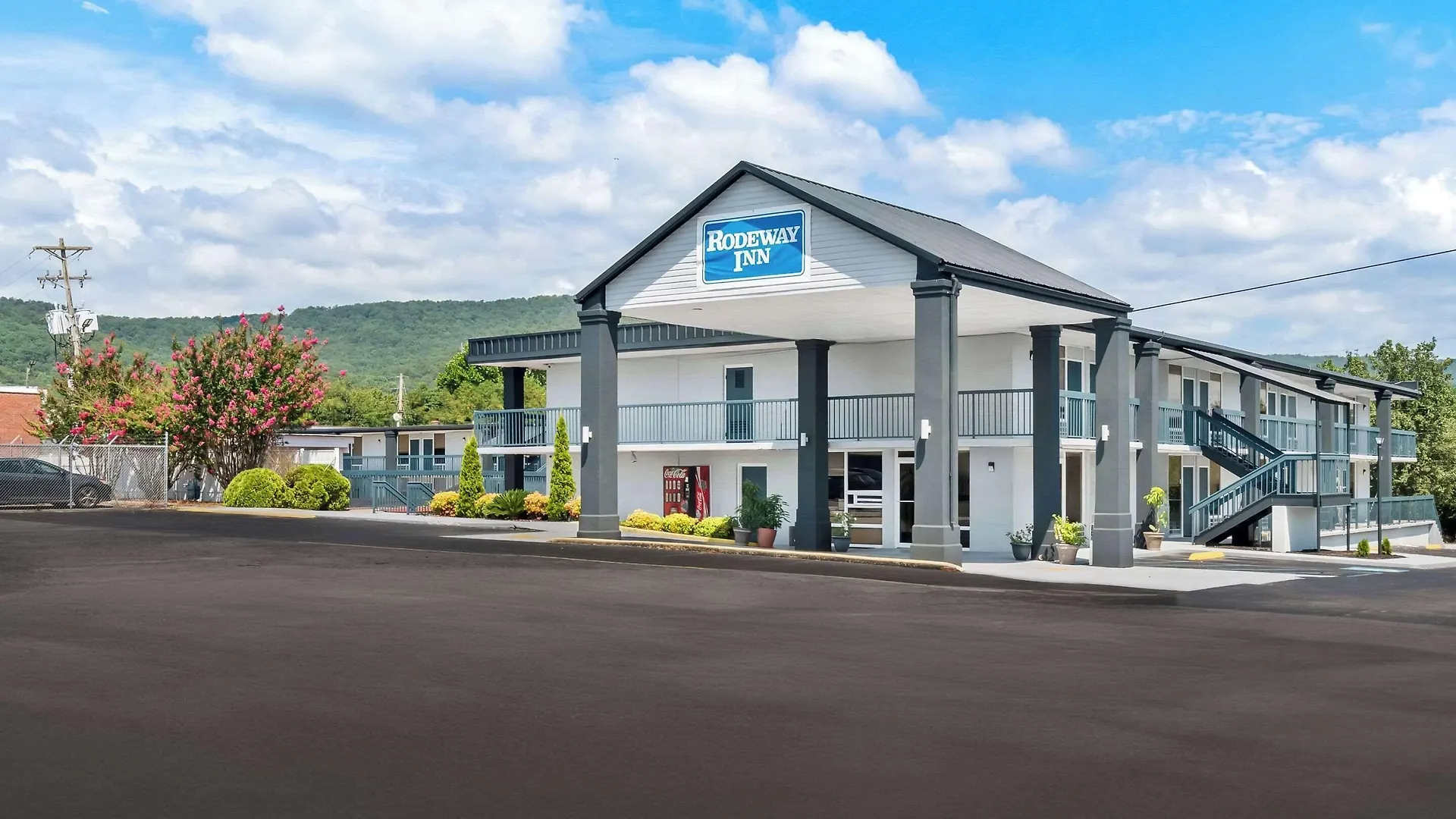
The Appalachian Mountains stretch over 2,000 miles across the eastern United States, covering iconic destinations from northern Georgia and Tennessee up through Pennsylvania, Vermont, and beyond. Travelers searching for Rodeway Inn hotels in the Appalachian Mountains are typically road-trippers, hikers, and budget-conscious explorers who need a clean, functional base without paying resort prices. This guide covers four Rodeway Inn locations anchored along the Appalachian corridor - in Dalton (GA), Calhoun (GA), Milford (PA), and Bellows Falls (VT) - giving you a practical, side-by-side overview to book with confidence.
What It's Like Staying in the Appalachian Mountains
Staying in the Appalachian Mountains means trading urban convenience for access to some of the most rewarding outdoor terrain on the East Coast. Towns along the corridor - from Georgia's Cohutta Wilderness to Vermont's Green Mountain foothills - are small and spread out, so a car is essentially mandatory for every property in this guide. Crowd patterns shift sharply by season: fall foliage draws heavy traffic through October across all states, while summer weekends fill gateway towns fast.
Pros:
- Direct access to Appalachian Trail trailheads, state parks, and scenic byways without paying for a mountain resort
- Significantly lower nightly rates compared to coastal or urban alternatives - budget properties here often come with free parking and free WiFi included
- Quieter night-time atmosphere in most gateway towns, making early morning hikes genuinely practical
Cons:
- No walkable urban core - restaurants, grocery stores, and attractions require driving, sometimes around 10 miles or more
- Limited public transport throughout the region; Amtrak serves only select stops like Bellows Falls, VT
- Cell coverage can be patchy in more rural stretches between gateway towns
Why Choose a Rodeway Inn in the Appalachian Mountains
Rodeway Inn properties along the Appalachian corridor are positioned specifically as no-frills highway stops and gateway-town bases - not destination hotels. In this region, that positioning makes practical sense: most travelers are spending the majority of their day outdoors and need a room that delivers sleep, a shower, and a functioning WiFi connection at a rate that won't offset the cost of gear or park fees. Nightly rates at these properties typically run under $100, making them among the most cost-accessible branded options along the entire mountain stretch. Compared to independent motels in the same towns, Rodeway Inn locations offer the reliability of a national brand with standardized check-in procedures and a 24-hour front desk.
Pros:
- Free parking at every location - essential for travelers arriving with gear-loaded vehicles or trailers
- Free WiFi included across all four properties, useful for trail research, weather tracking, and remote work stops
- 24-hour front desks accommodate late arrivals after long driving days or sunset hikes
Cons:
- Room sizes are modest - these are not properties with spacious suites or resort amenities
- On-site dining is not available; guests rely entirely on nearby restaurants or in-room coffee makers
- Around half the locations sit near highway interchanges, which can generate road noise depending on room placement
Practical Booking & Area Strategy
Positioning matters significantly along the Appalachian corridor because the mountain range crosses multiple states, each with distinct access points and attractions. The two Georgia locations - Dalton and Calhoun - serve travelers exploring the southern Appalachians, including the Cohutta Wilderness, Fort Mountain State Park, and the northern gateway to Chattanooga, which sits roughly 49 km from Dalton. Milford, PA is a strategic base for Delaware Water Gap National Recreation Area, with over 70,000 acres of hiking, paddling, and cycling terrain accessible within minutes. Bellows Falls, VT is the northernmost stop in this set and sits within reach of both the Connecticut River Valley trail network and Mount Ascutney. Book at least 6 weeks ahead for October foliage season across all locations - rates and availability shift sharply during peak leaf-peeping weeks, particularly in Vermont and Pennsylvania.
Best Value Stays
These three properties offer the lowest entry points along the Appalachian corridor, each suited to travelers who need a functional base for outdoor activity without spending on hotel amenities they won't use.
-
1. Rodeway Inn Dalton South
Show on map


 Check-infrom 15:00 until 23:59Check-outuntil 11:00
Just a few rooms left at the best rate!
fromUS$ 56
-
2. Rodeway Inn Milford - I-84
Show on map


 Check-infrom 14:00 until 23:59Check-outuntil 11:00
Just a few rooms left at the best rate!
fromUS$ 81
-
3. Rodeway Inn Bellows Falls
Show on map


 Check-infrom 15:00 until 23:59Check-outuntil 11:00
Hurry – almost gone at this price!
fromUS$ 109
Best Premium Option
For travelers wanting a modest step up in amenities - specifically an outdoor pool - this Georgia property delivers the most complete feature set in the set.
-
4. Rodeway Inn Calhoun South
Show on map


 Check-infrom 14:00 until 23:59Check-outuntil 11:00
Rooms filling fast – secure the best rate!
fromUS$ 64
Smart Travel & Timing Advice
The Appalachian Mountains operate on two distinct peak seasons that directly affect hotel pricing and availability. October is the single most competitive month across all four locations - fall foliage draws heavy bookings in Vermont and Pennsylvania especially, and rates can spike sharply with little last-minute availability at budget properties. Summer weekends in July and August fill quickly at the Georgia locations, driven by hikers accessing the southern trail system and families heading toward Chattanooga attractions. The quietest and most affordable windows are March through early May (before peak hiking season) and November after foliage ends. For any October stay, booking around 8 weeks in advance is a practical minimum. A 2-night minimum stay makes the most logistical sense at all four properties - single-night stops lose time to check-in logistics and early departures, while 3 or more nights allow genuine trail exploration from a single base without daily repacking.


